Divyansh Kabeer | 25th October 2025
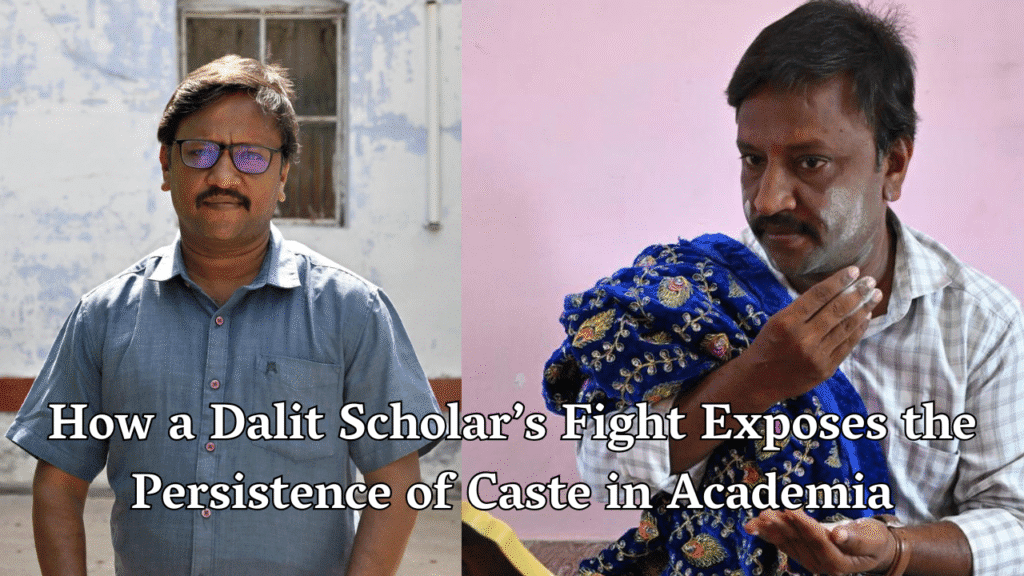
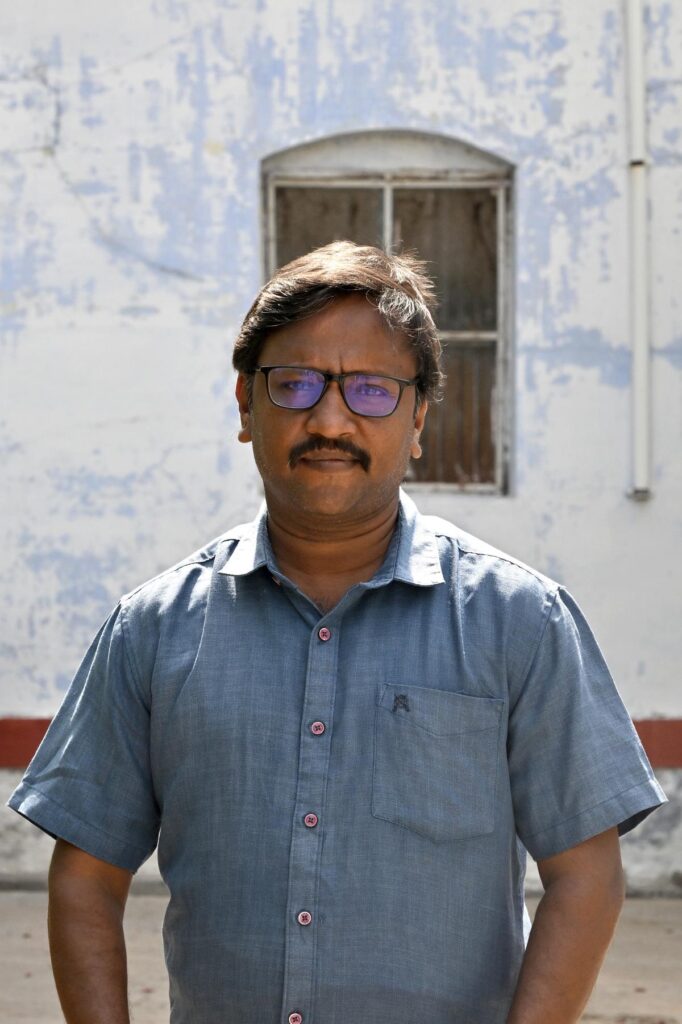
In India, education has often been described as the most powerful weapon to challenge social inequality. For centuries, Dalits were denied access to schools and colleges, and even today, higher education remains a battleground for dignity and survival. The story of P. Senrayaperumal, a folk artist turned academic from Tamil Nadu, is not just a personal tragedy—it is a mirror to the caste realities still deeply entrenched in our universities.
A Life of Struggle and Achievement
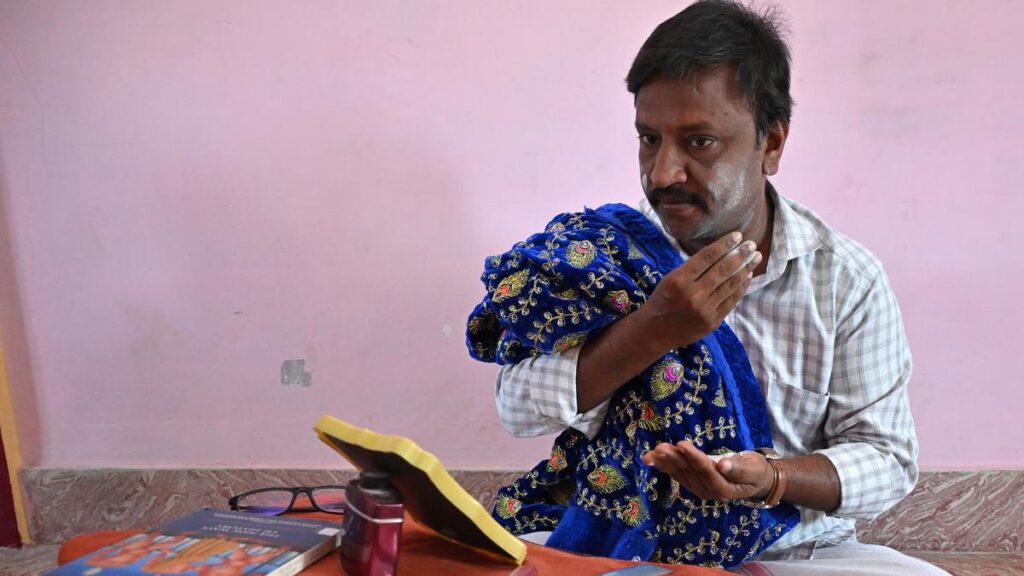
Born into the Arunthatiyar community, one of the most marginalized Dalit groups in Tamil Nadu, Senrayaperumal grew up in poverty. The sound of rain on the tin roof of his mud house often kept him awake as a child. As a young man, he worked as a folk artist, singing and dancing into the night in the traditional Raja-Rani Attam style, sometimes going without proper food and sleep. Yet, he carried within him an unshaken determination to pursue education, believing it could rewrite his life story.
His persistence paid off. In 2016, after years of effort, Senrayaperumal was appointed as an Assistant Professor in History at Manonmaniam Sundaranar University in Tirunelveli under the Scheduled Caste (Arunthatiyar) quota. His journey from folk stages to lecture halls symbolized both personal triumph and the possibility of social mobility for a Dalit scholar.
The Cruel Turn of Events
But the dream did not last. In March 2024, just as he was due for promotion after eight years of service, Senrayaperumal received a letter of removal from the university. No prior discussion, no hearing, no fair chance to explain. The reason cited was “irregularities” in his education—charges that had already been scrutinized and cleared during his appointment process.
This sudden dismissal did not just strip him of his job. It stripped him of dignity, stability, and the recognition he had worked his whole life to earn. Overnight, he found himself forced to return to performing folk theatre, not out of passion but out of necessity, asking himself whether this could really be called growth.
The Shadow of Caste
Senrayaperumal’s question—“Would they have done this to me if I weren’t a Dalit?”—haunts the case. And it is not unfounded. Across India, Dalit scholars, teachers, and students often find their success questioned, their qualifications doubted, and their very presence in spaces of higher education treated as an intrusion.
This is not an isolated case. From Rohith Vemula’s tragic institutional harassment in Hyderabad to numerous lesser-known dismissals and exclusions, caste prejudice has repeatedly shown its face in Indian universities. For many from marginalized backgrounds, the fight does not end with securing admission or employment; it continues every day in subtle and overt forms of exclusion.
The Legal Battle
What makes Senrayaperumal’s case more striking is that the courts have recognized his grievance. A High Court ruling came in his favor, affirming that his dismissal was unjustified. Yet, the university has refused to reinstate him.
This open defiance of judicial orders not only raises questions about the autonomy of universities but also about the willful perpetuation of discrimination. When an institution disregards a court order, it sends a chilling message: caste bias can override both justice and law.
Art as Resistance
Yet, even in this moment of despair, Senrayaperumal has found a way to resist. Through Raja-Rani Attam, the folk theatre tradition of his community, he tells his story in the film Punishing the Professor. A third of the film is narrated in this art form, weaving together memory, resilience, and protest.
This blending of art and activism is significant. Folk theatre has historically been the voice of the marginalized, a medium through which stories of oppression and survival travel across villages. By using Raja-Rani Attam to narrate his ordeal, Senrayaperumal turns personal pain into collective resistance, reminding us that caste injustice is not an individual misfortune but a systemic issue.
The Larger Issue
The dismissal of a professor like Senrayaperumal is not just about one man’s livelihood. It exposes how institutions that are meant to promote knowledge can become sites of exclusion. It shows how caste continues to shape who is considered “worthy” of teaching, leading, and representing knowledge in India.
While India celebrates its strides in technology, science, and global recognition, the persistence of caste discrimination in universities undercuts those achievements. The very spaces meant to nurture equality and rational thought remain vulnerable to old hierarchies and prejudices.
The Way Forward
So, what can be done?
First, universities must be held accountable. Affirmative action policies exist to correct centuries of injustice, but if institutions sabotage them through bias and irregular practices, the purpose is defeated. Stronger monitoring and anti-discrimination mechanisms are needed within campuses to ensure fairness in recruitment, promotions, and disciplinary actions.
Second, Dalit scholars must not be left to fight alone. The judiciary has shown some courage in this case, but broader solidarity is required—from fellow academics, civil society, and student movements. When discrimination is seen as a problem only for the marginalized, it continues unchecked. When it becomes everyone’s concern, institutions are forced to change.
Third, there must be recognition of the cultural wealth that marginalized communities bring to academia. A professor like Senrayaperumal, who embodies both scholarly knowledge and folk art traditions, represents a rare confluence of lived experience and academic expertise. Instead of exclusion, such richness should be celebrated as expanding the horizons of knowledge.
A Matter of Dignity
At its heart, this is not just about a job. It is about dignity—the right of a Dalit academic to stand before a classroom and be respected as an equal. It is about ensuring that no student or scholar has to ask, “Would this have happened if I weren’t a Dalit?”
Senrayaperumal’s story is also a reminder of resilience. Despite being stripped of his position, he continues to fight, with support from figures like retired Chief Justice S. Muralidhar, who has volunteered to appear for him pro bono. It shows that while the structures of discrimination are strong, the spirit of resistance is stronger.
Beyond One Professor
The battle of P. Senrayaperumal is more than a personal struggle—it is a test for India’s universities and its democracy. If caste can still dictate who belongs in academia, then the promise of equality enshrined in our Constitution remains unfulfilled.
The solution lies in a collective will to dismantle caste prejudice within education—through accountability, solidarity, and recognition of diverse contributions. Until then, stories like Senrayaperumal’s will continue to haunt us, reminding us that the fight for dignity and justice is far from over.
His journey, from the clatter of rain on a tin roof to the lecture halls of a university and back to the folk stage, is not just his own. It is the story of countless Dalits who strive, achieve, and yet face barriers placed by an unequal society. And as long as one professor is punished for his caste, the question before us remains: what kind of education system are we building?
Divyansh Kabeer is a Delhi-based writer who focuses on social justice, caste, and urban inequality. Through human-centered narratives, he highlights the invisible struggles of marginalized communities and their fight for dignity.