Chatura Juwatkar & Prajakta Kadam | 25th October 2025
Night colleges in India are often seen as beacons of opportunity. Institutions that open doors for those who cannot study during the day due to work, family, or financial constraints. They represent the belief that education can and should be accessible at all hours, to anyone willing to learn. But behind this noble mission lies a world of quiet hardships, faced both by the educators who run them and the students who fight exhaustion, poverty, and social barriers to attend classes each night.
Most students who enroll in night colleges are not full-time learners. They are office staff, security guards, shop workers, or homemakers who finish a day’s work before entering a classroom. Many travel long distances by crowded trains, buses, or on foot, often for more than an hour each way. By the time they arrive, they are drained of energy, surviving on minimal rest and motivation.
Fatigue becomes their daily companion, making it difficult to focus or participate actively in class discussions. Despite this, their determination to complete their education and improve their lives drives them forward.
Safety Concerns During Late-Night Travel
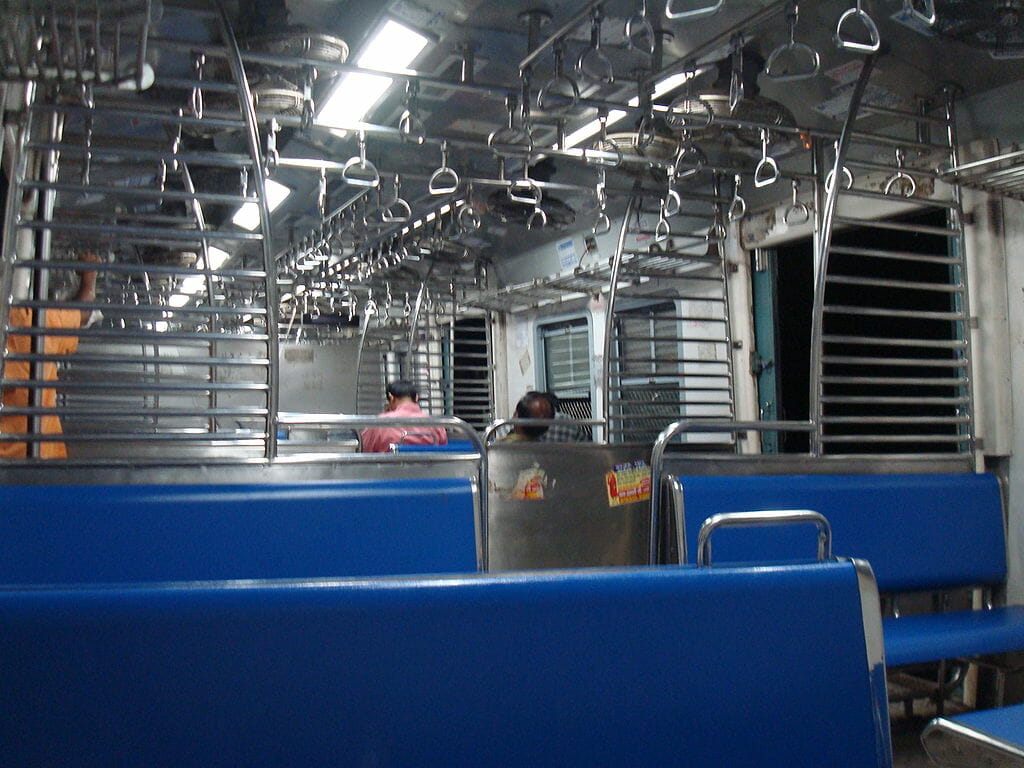
Safety is one of the most pressing yet invisible concerns for night college students, particularly women. Classes often end around 10 p.m. or later, when local trains and buses are sparse and stations are deserted. Female students frequently rely on family members to accompany them, or travel in pairs for safety.
Those who commute from distant suburbs face long, risky journeys back home, often through poorly lit streets or isolated stations. Some have reported skipping late lectures altogether to avoid unsafe commutes. This constant fear and logistical struggle make the pursuit of education even more demanding.
Safety, therefore, is not just a physical concern it becomes a social and emotional burden that defines their educational experience.
Academic Gaps and Learning Barriers
Many night college students resume studies after years of academic discontinuity. Their foundational understanding of subjects, especially in English, business, and law, is often weak. Teachers go the extra mile explaining concepts in regional languages first, then in English, to ensure comprehension.
The academic challenge is compounded by time limitations. Classes run for just a few evening hours, leaving little room for remedial lessons, extracurricular activities, or university-mandated programs.

Financial and Institutional Constraints
Night colleges charge minimal government-prescribed fees to remain accessible, but this affordability comes with financial strain. Infrastructure development, lab maintenance, and student welfare programs often suffer due to limited funding.
While many institutions try to provide computer labs, libraries, spoken English courses, and short-term job-oriented training, they struggle to match the facilities of day colleges. Despite the best efforts of dedicated faculty members, the gap between ideal and achievable remains wide.
Women Between Duty and Aspiration
For many married women and mothers, night colleges represent a rare space of independence. A few hours to learn, grow, and dream beyond household roles. But balancing domestic responsibilities with education is an ongoing struggle.
Many face disapproval from family or are denied permission to participate in academic camps, events, or field visits. Even short residential programs like NSS camps become impossible due to caregiving duties or social constraints. These women often study quietly, without the luxury of full participation, just to secure that one degree which may change their life’s course.
Health and Emotional Strain
The constant juggling between work, travel, and study takes a visible toll on students’ health. Long hours, irregular meals, and lack of rest contribute to exhaustion and health problems. Cases of anemia, dizziness, and fainting during lectures have been noted among students.
Some colleges organize health check-ups and counseling sessions, but such support is often limited. For many students, the struggle for education becomes a test of physical endurance as much as intellectual pursuit.

The Institutional Tightrope
Administrators and faculty in night colleges face their own unique pressures. With just four evening hours to cover the full university syllabus, they must balance teaching, examinations, cultural activities, and mandatory extension programs, all while considering students’ restricted time and energy.
University guidelines often don’t accommodate the realities of night colleges. For example, residential NSS camps or long cultural programs are impractical for students who work day jobs or care for families. These limitations highlight the urgent need for flexible academic frameworks tailored to evening learners.
Declining Enrolment and Uncertain Future
In recent years, many night colleges have seen a gradual decline in enrollment. With the rise of online courses, flexible distance learning, and part-time programs, traditional night colleges struggle to attract new students. Yet for many working-class citizens, they remain the only affordable and structured path to formal education.
A Need for Reform and Recognition
Night colleges operate in silence, rarely celebrated, frequently overlooked. Yet, they serve one of education’s most critical functions- inclusion. Policymakers must address their specific challenges by improving safety for women commuters, funding health and counseling facilities, revising activity structures, and providing better infrastructural support.
Equally, society must recognize the extraordinary commitment of these students. They are not merely learners; they are survivors of fatigue, financial strain, and social barriers. Their journey to the classroom is, in itself, an act of courage.
Chatura Juwatkar and Prajakta Kadam work as media researchers, with a special interest in documenting how ordinary people reshape their lives through learning and perseverance.