Vincent Katleho Makhate | 20th Octobet 2025
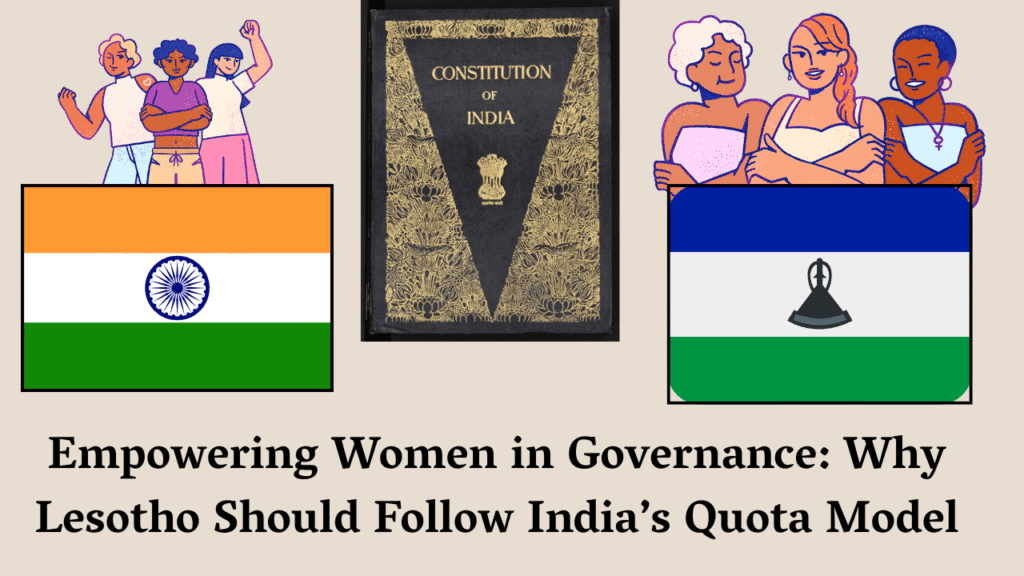
The Kingdom of Lesotho, a sovereign democratic nation, stands at a critical juncture in its journey toward inclusive governance. While its Constitution champions fundamental human rights and freedoms for every person, irrespective of “sex”, and commits the State to promote “equality and justice” in all spheres of public life, the political reality for Basotho women remains constrained. True equality cannot be achieved merely through non-discrimination clauses; it requires deliberate, structural change. Lesotho must look east and learn from the world’s largest democracy, India, where a constitutional commitment to reserving 33% of seats for women has created a powerful blueprint for revitalizing democracy from the grassroots to the national parliament.
This article advocates for a fundamental shift in Lesotho’s institutional approach, moving beyond general principles to embed binding, quantifiable quotas in both parliamentary and local governance structures, drawing inspiration from the successful, albeit delayed, constitutional reforms undertaken by India.
Lesotho’s Current Gender Inclusion Framework
Lesotho’s constitutional landscape already lays a strong foundation for gender equality. Chapter II of the Constitution guarantees freedom from discrimination on grounds including sex [section 375(m)] and explicitly affirms the right to equality before the law and equal protection of the law [section 375(o)]. Citizens also possess the explicit right to participate in government [section 375(p)]. Furthermore, Chapter III, dedicated to the Principles of State Policy, obligates Lesotho to adopt policies aimed at ensuring a society based on equality and justice for all citizens, including measures to promote equality of opportunity for disadvantaged groups to participate fully in all spheres of public life [Sections 415(1), and 415(2)].
However, these commitments encounter a significant institutional weakness: the principles of state policy are not enforceable by any court. This means that the high promise of equality and mandatory inclusion often remains an aspiration rather than a legal imperative that can transform electoral systems.
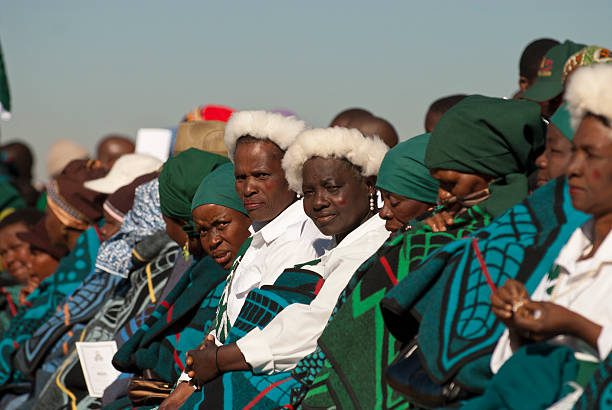
Lesotho’s Parliament consists of the King, a Senate, and a National Assembly. The National Assembly is composed of eighty members chosen by direct election from territorial constituencies. While the delimitation of these constituencies considers factors like population quotas and geographical features, gender equity is notably absent as a mandatory criterion for electoral configuration. Meanwhile, the Senate relies heavily on traditional authority, comprising twenty-two Principal Chiefs alongside eleven other nominated Senators. The reliance on traditional, male-dominated chiefly structures within the Senate, combined with the absence of specific gender provisions for the directly elected National Assembly, reinforces structural barriers against women’s full political participation.
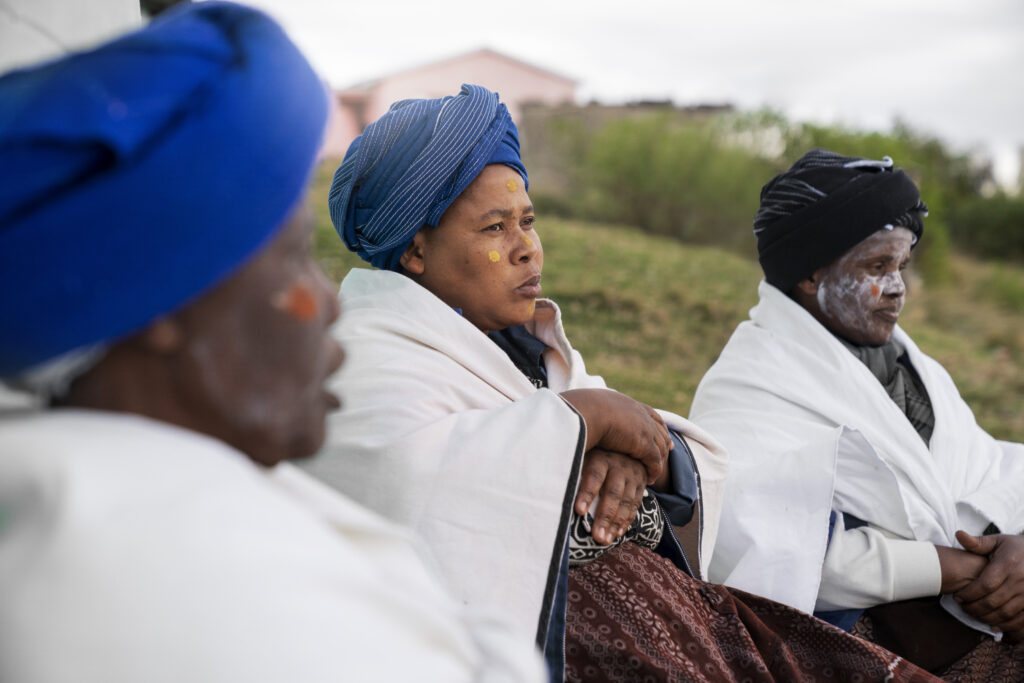
At the local level, the Constitution mandates that Parliament establish local authorities to enable communities to govern their own affairs. However, there are no specific, mandated gender quotas for composition or leadership within these local governance structures, leaving implementation vulnerable to political will rather than constitutional necessity.
Social and Institutional Barriers
The gap between Lesotho’s constitutional commitment to non-discrimination and the underrepresentation of women is often maintained by persistent institutional and social barriers. These barriers, inferable from the constitutional framework, include the non-enforceability of gender equality policies, which prevents citizens from legally challenging inadequate representation measures. Furthermore, the role of customary law in the legal framework sections 403(c), and 571(ii) may present unique challenges, particularly if traditional norms regarding leadership and inheritance conflict with modern egalitarian principles, potentially inhibiting women’s paths to public office, especially through channels involving chieftaincy or land control (though the Constitution addresses land vested in the Basotho Nation generally).
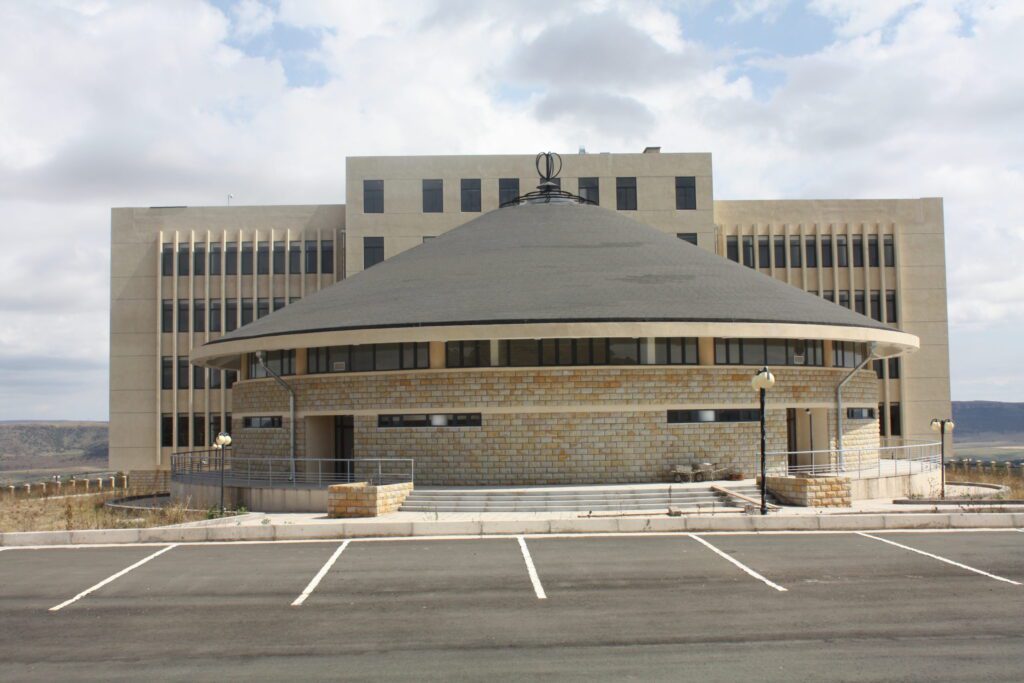
To shatter these barriers, Lesotho requires an institutional bypass—a mechanism that mandates participation regardless of customary biases or political resistance. This mechanism is the constitutional quota, successfully modelled by India.
India reserves seats for women across all levels of governance
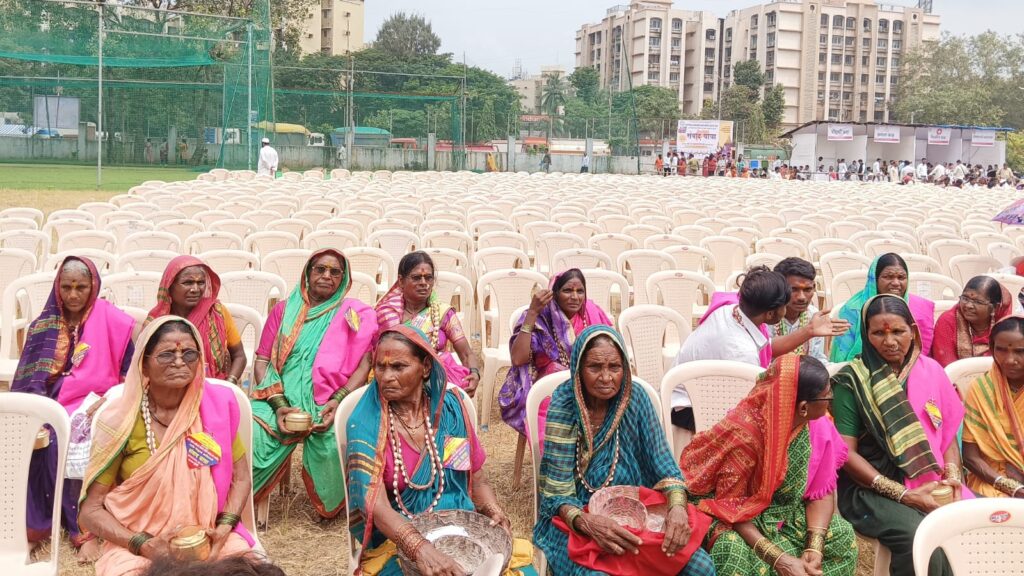
Grassroots Governance (Panchayats and Municipalities): The constitutional mandate for women’s representation is most entrenched at the local level. In rural Panchayats, not less than one-third of the total seats to be filled by direct election are reserved for women according to section 138(3). Furthermore, not less than one-third of the total number of offices of Chairpersons in Panchayats at each level must be reserved for women. This comprehensive model of representation also extends to urban Municipalities, where not less than one-third of the directly elected seats must be reserved for women, along with the offices of Chairpersons.
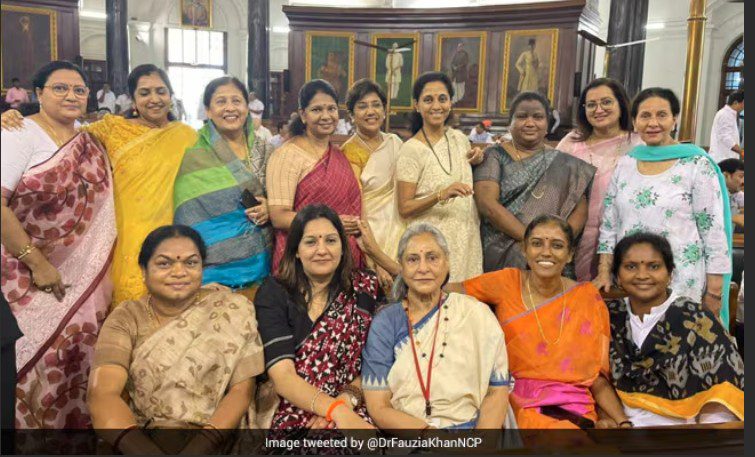
Parliamentary Quotas (National and State Level): Building on this foundation, India recently expanded this commitment to the highest levels of governance through the Constitution (One Hundred and Sixth Amendment) Act, 2023. This landmark reform mandated that seats shall be reserved for women in the House of the People (the national parliament) and the Legislative Assemblies of the States [sections 207(1), and 215(1)]. Specifically, as nearly as may be, one-third of the total seats filled by direct election in both the House of the People and State Legislative Assemblies are reserved for women [sections 207(3), and 216(3)].
This dual commitment; mandatory 33% representation at the local level and constitutional earmarking at the national level, offers a comprehensive path forward for Lesotho. The mandatory nature and quantifiable percentage (not less than one-third) in India’s local bodies (Panchayats and Municipalities) are key elements that Lesotho must adopt. This moves inclusion from a policy goal to a legal requirement, circumventing political or social resistance against individual women candidates.
Urgent Implementation, Clear Mandates
For Lesotho to replicate India’s success, several key lessons must be adopted in the constitutional reform process:
Constitutional Entrenchment: Lesotho must emulate India by moving the principle of gender representation from the non-enforceable Principles of State Policy into binding, operative constitutional articles governing the composition of Parliament and local authorities.
The Local-to-National Pipeline: The Indian model prioritized securing women’s participation at the grassroots level (Panchayats, Municipalities) where women gain administrative experience. Lesotho ought to immediately introduce a mandatory 35% reservation of seats for women in parliament and leadership roles in all local authorities, establishing it as the minimum threshold for equitable gender representation in governance.
Addressing Implementation Delay: India’s parliamentary quota, while passed, is subject to delay, taking effect only after a post-amendment census and subsequent delimitation exercise. This highlights the potential for political and bureaucratic hurdles to slow reform. Lesotho must ensure that its implementation timeline for constitutional quotas is immediate, precise, and decoupled from protracted demographic data gathering where possible, or clearly set forth as a non-negotiable legal requirement. The quota should apply directly to the selection process in the National Assembly and the nomination process for the Senate.
Implementing a mandatory constitutional quota of at least 35% for women in Lesotho’s Parliament and local governance structures is more than just an issue of arithmetic fairness but an act of democratic renewal and a catalyst for broader social change. Constitutional quotas promote equality and democratic representation by directly addressing historical underrepresentation, ensuring that political bodies reflect the diversity of the citizenry. In light of the skyrocketing rape cases in the Mountain Kingdon, such reform has become both urgent and necessary. Crucially, this institutionalized representation drives broader social transformation and sustainable development in Lesotho. When women assume decision-making roles, governance often becomes more responsive to social needs, such as healthcare, education, protection of women’s and children’s rights, and infrastructure, which are the areas often prioritized by women leaders.
Lesotho has the constitutional basis for equality; now it must find the constitutional courage. By adopting a binding 35% quota, drawing power and precision from the Indian constitutional experience, Lesotho can ensure that the promise of its democracy is fully realized by all its citizens, setting a path towards true equality, effective governance, and enduring national development.
Vincent Katleho Makhate is a media researcher based in Mumbai, originally from Lesotho in Southern Africa. His work focuses on religion, media, and social justice, with a keen interest in how faith communities engage with issues of caste and equality in India.