Krutika Jadhav | 20th October 2025
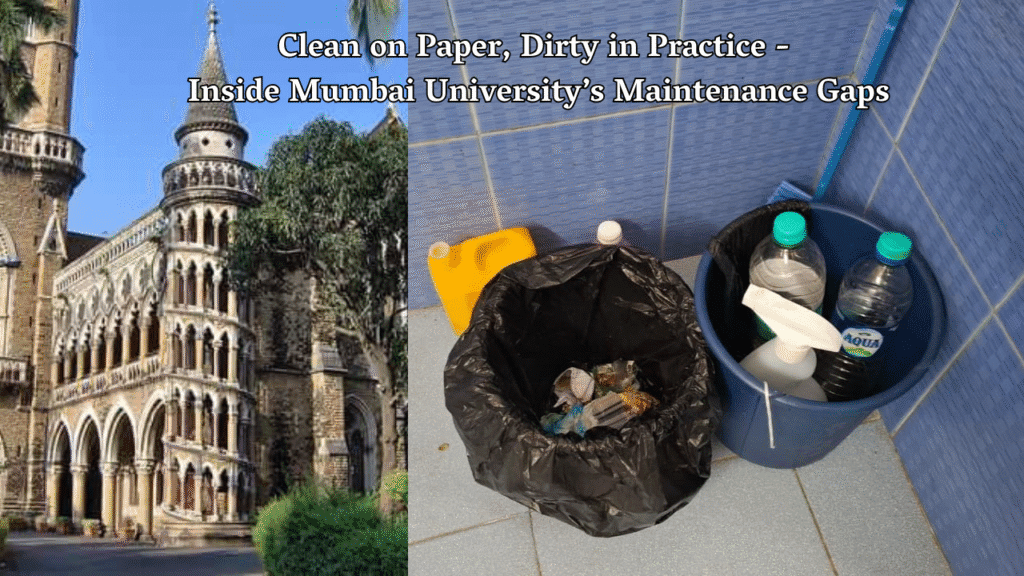
Mumbai University, with its tree lined roads a heritage buildings, is often celebrated as place where intellect and ambition meet. Every day, its classroom buzz with discussions on development, ethics and reform. Yet just a few steps away from these ideals lies a quite contradiction, washrooms that reflect neglect more than progress.
For thousands of students, these spaces are part of their everyday routine but for many, entering them is a test of endurance. This issue is not the absence of facilities, but the absence of care.
The Everyday Reality:
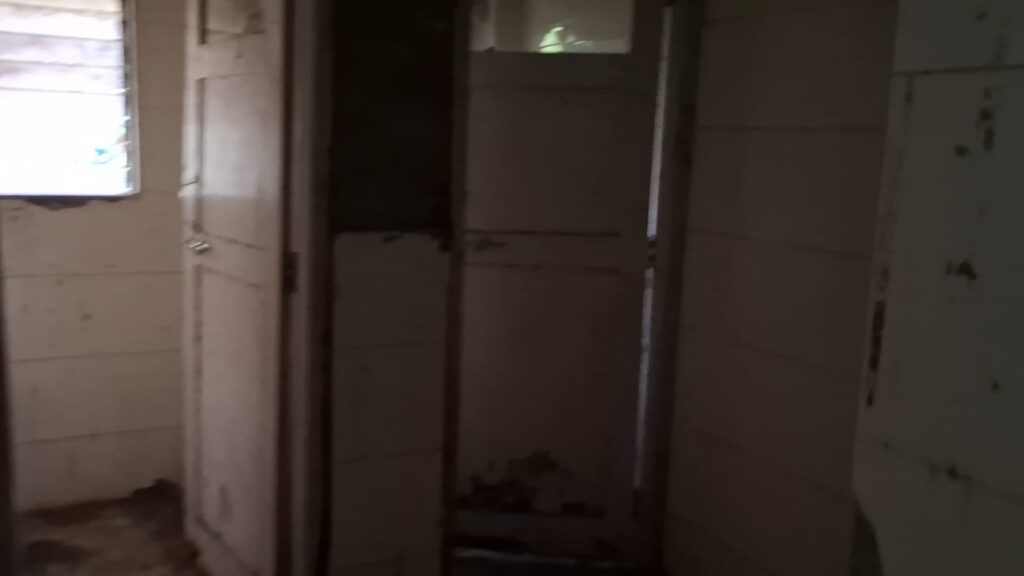
At the Health Center building, the women washroom stall on the ground floor, it’s door creaks loudly, a faint smell of disinfectant barely masking the damp air inside. “It’s cleaner in the morning” says a second-year postgraduate student, “but by afternoon, can’t step inside without feeling nauseous.”
The sink leaks constantly with dirt tracked in from outside. Trash bins, meant to be cleared multiple times a day, overflow with tissues
The shortage of staff and irregular supervision mean that cleaning becomes reactive, done only when someone complains, never as routine maintenance. “They come after inspection days,” students say. “It’s like pretending for guests, not maintaining for students.”

A Question of Health
The impact of poor maintenance goes far beyond unpleasant smells or unclean floors. Wet surfaces become breeding grounds for bacteria and mosquitoes, broken flushes lead to hygiene hazards, and blocked drains result in standing water that attracts pests.
Health risks like urinary tract infections, dehydration, and respiratory issues are quietly normalized. Students often avoid using washrooms for hours, preferring discomfort over exposure to unhygienic conditions.
The irony is stark; a building with healthcare centre with multiple clinics and doctors working fails to ensure the most basic public health standard on its own premises.
The Culture of Neglect
In many departments, maintenance lapses are treated as minor inconveniences rather than serious concerns. The expectation that students should “adjust” has become ingrained. “We complain once, twice, then stop,” says Komal Jangle, a student from department of History. “Because nothing changes. The system learns that our silence is easier to manage than our demands.”
Over time, neglect becomes normalized. Overflowing bins or leaking taps are no longer seen as problems to be fixed, but as part of campus life, inevitable and unworthy of outrage.
Faculty members, too, express quite frustration. “these issues don’t need major funds, just consistent accountability”, says a student, from Archaeology department. “Cleanliness is not a luxury, it’s the foundation of a dignified learning environment.”
When Maintenance Meets Apathy
According to the reports from our sources, funds are allocated each year for campus sanitation and maintenance. Yet, the visible outcome rarely aligns with the investment. Between contractor delays, supply shortages, and bureaucratic slowdowns, hygiene remains everyone’s responsibility but no one’s priority.
During festival seasons or university events, cleaning efforts temporarily intensify, only to fade once guests leave. “It’s like cleanliness is a show,” says Prajakta. “For photos, not for people.”
A Shift in Perspective
The neglect of maintenance is not just a logical failure it’s an ethical one. It reveals what the institution values and what it chooses to overlook. Clean, functioning washrooms are mere conveniences; they are indicators of respect for the people who use them.
A university’s true standard is not measured by the numbers of research papers published, but by how it treats the most ordinary corners of its campus.
“I carry tissues, sanitizer, and paper soap every day”, says Chatura. “We’ve learned to create our own hygiene systems”. Her small act of self-preservation mirrors the resilience of many student who adapt to institutional indifference.

The Way Forward
Addressing cleanliness and maintenance gaps doesn’t demand grand reforms just a willingness to take responsibility. The university could start by:
- Ensuring daily cleaning logs are maintained and publicly visible.
- Increasing the number of cleaning staff per building.
- Setting penalties for missed cleaning schedules.
These steps, simple yet consistent, could transform neglected spaces into safe, dignified ones.
Dignity in the Details
In the end, the issue of cleanliness at Mumbai University is not about toilets’ it’s about trust. When students see overflowing bins and broken taps day after day, it sends a clear message: your comfort is secondary.
But when a washroom is clean, when soap dispensers are filled and lights work, it signals something deeper that the university respects the people who make it what it is.
Krutika Jadhav is a media educator and storyteller who amplifies everyday struggles and gendered realities often overlooked in public discourse.