Sudipa Mathur | 26th December 2025
The Advocacy: An abandoned estate in Karnataka stands today as a stark, silent sermon against the practice of Mata Mantara- a reminder that a crisis of greed cannot be solved by a crime of superstition. The real power lies not in dark rituals, but in the moral ground abandoned by the perpetrators.
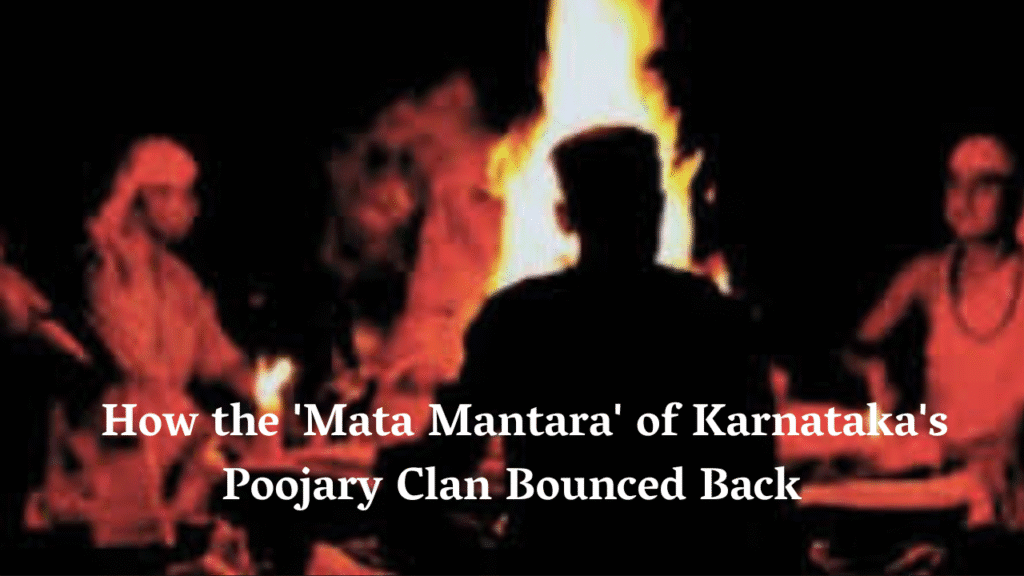
The air around the old Poojary estate in Karnataka is thick with silence-a silence that screams. A place of abundant fields and ancestral memory, it now stands abandoned, a monument to a terrible, self-inflicted curse. This is not just a tale of property dispute; it is a harrowing folk legend, fiercely whispered across generations, that reveals the catastrophic price of seeking wealth through the dark arts of Mata Mantara.
The conflict began, as many do, with simple, corrosive greed. A long time ago, a section of the Poojary family coveted the entire property. Their solution to the co-owner problem—the brother’s wife and in-laws—was medieval: Mata Mantara. The plan was ruthless: use the dark ritual to invoke death, ensure a clear inheritance, and bury their conscience with the victims.
But the Poojarys forgot one crucial law of the universe: what is sent out in darkness often returns to find its source.
The Day the Buffalo Knew
The first signs were subtle, whispers that gathered strength, confirming that the dark spell had not found its intended target. The targeted family members, they testified, felt protected, cloaked by a faith in Daiva Devta stronger than any spell. “Daiva Devta shielded us,” they maintain, turning the Poojary’s dark weapon into a boomerang.
The full, terrifying force of the reversed curse was not a slow fade, but a sudden, violent spectacle. One of the brothers, part of the faction that had commissioned the Mata Mantara, came to the estate for an inspection. It was feeding time; cows and buffaloes stirred in the yard.
Then, the unthinkable happened.
As the man stood near the barn, a large buffalo suddenly charged. Not at him with horns, but in a frantic, wide circle. The animal’s tether—a heavy rope—snared the brother, wrapping and tightening around his neck. The buffalo, seemingly possessed by a blind panic or directed by an unseen hand, ran and ran, dragging the trapped man across the field in dizzying, maddening loops. When the exhausted beast finally stumbled to a halt, the crowd rushed in.
The brother stood up, bewildered but seemingly unharmed. It was only when he turned to look at the buffalo that the horror became complete: his neck, in one grotesque, impossible movement, had turned a full 180 degrees. He was staring at the crowd over his own back.

The Exodus of Fear
That incident was merely the curtain-raiser. One by one, those family members who remained on the estate, believing they could weather the storm, began to meet bizarre and sudden ends. The strange deaths—each one inexplicable, each one terrifyingly isolated—were like chapters closing on the family’s presence there. The greed that drove them to seek Mata Mantara had now driven them out, one coffin at a time.
Today, the Poojary estate is fully deserted. The surviving family members do not live there; they do not even visit. Their final, fearful act was to dedicate the entire estate back to the Daiva Devta, placing a permanent taboo on entering the land. They claim Daiva Devta protected the innocent, but the inescapable truth is that the family itself became the architect of their own ruin.
The Advocacy: A Message Etched in Dust
The abandoned Poojary estate is more than a haunted spot—it is a monument to a critical failure of morality.
The message we must take from this chilling local history is clear: Mata Mantara is not a shortcut; it is a spiritual, legal, and personal catastrophe waiting to happen. The family, consumed by property hunger, resorted to dark rituals instead of seeking justice through ethical means or mediation. Their faith in the occult was stronger than their commitment to law, family, or even their own safety.
The curse was not delivered by an enemy; it was self-generated. The property, which they sought to gain, became the vessel of their terror, a piece of land too poisoned by their own dark actions for anyone to inhabit.
Let the silence of the Poojary estate be an urgent appeal to all: Disputes must be settled through dialogue and justice, not destructive superstition. The only way to truly secure one’s future is not by summoning shadows, but by standing in the light of ethical action. The family sought to steal a physical inheritance, but ultimately, they lost the far greater inheritance of peace and life itself.
Sudipa Mathur is a media researcher who explores how culture, prejudice, and social realities shape lives. Her writing challenges stereotypes and exposes hidden injustices.