Garima Kaushiki | 26th November 2025
Each year, we teach children the names of colors, planets, animals, and formulas. But there is one language we forget to teach them — the language of their own minds.
Across India, countless children wake up not with excitement for school but with a quiet dread they can’t explain. Their discomfort is dismissed as stubbornness, their irritability labelled “attitude.” Their tears are called drama. Their silence is mistaken for shyness. Their pain — invisible yet consuming — grows silently inside them.
Behind every neat uniform and every smiling photograph, many young minds are struggling with battles they don’t have words for.
The Storm Inside a Child
Children carry emotions the way adults carry responsibilities — heavily, quietly, and without choice. They don’t say, “I’m anxious,” or “I’m overwhelmed.” Instead, their bodies speak first. A headache before school, a stomach ache before speaking in class, sleepless nights, trembling hands, sudden anger. What looks like laziness or misbehavior is often an unspoken cry for help.
But when a child doesn’t know what they’re feeling, the world rarely stops to understand.
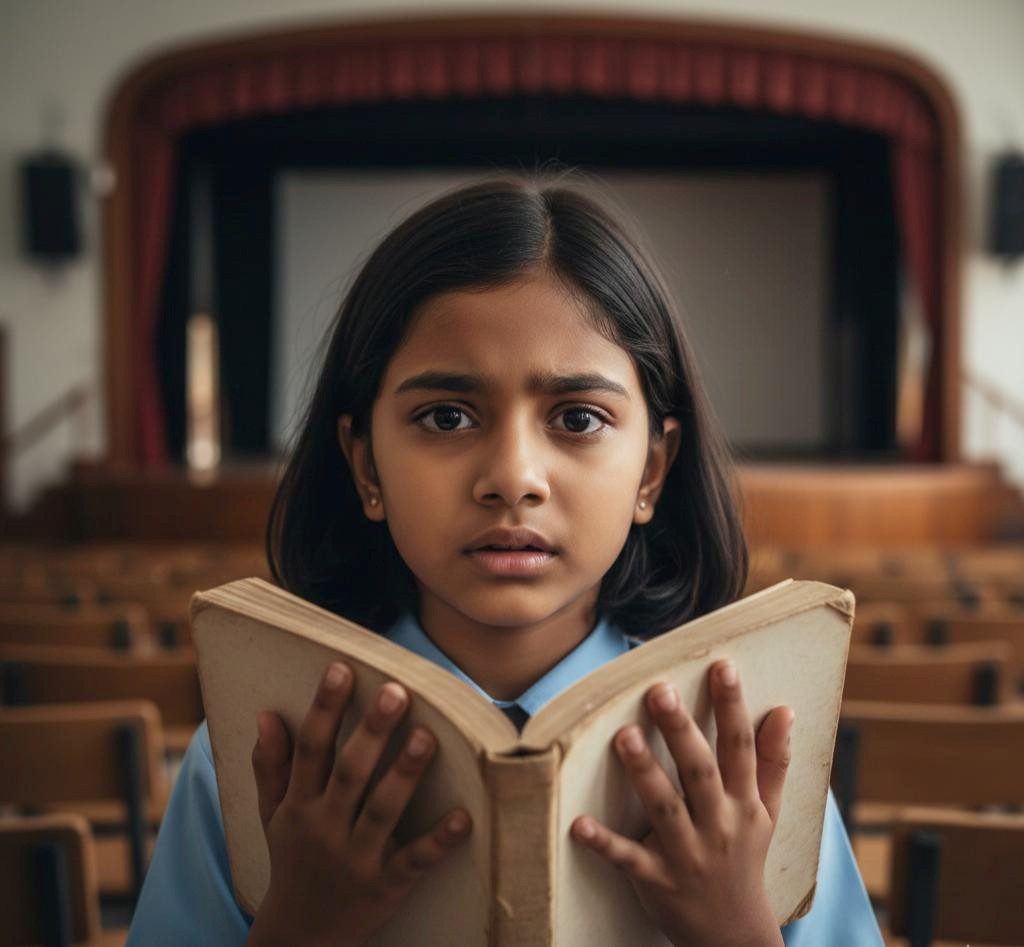
In a school auditorium in , eleven-year-old Aahana stood backstage clutching her poem sheet. The event was small — a simple recitation, a few memorised lines. Teachers smiled encouragingly. Her mother had braided her hair neatly and packed a snack to celebrate afterward.
But Aahana’s hands were shaking. Her throat tightened. Her heartbeat felt louder than the applause for the child performing before her. Everyone around her assumed she had stage fright.
What they didn’t know was that Aahana had been fighting a deeper fear for months — the fear of being watched, judged, or making the slightest mistake. She wasn’t afraid of the stage. She was afraid of failing in front of others.
Her days had been shaped quietly by this fear. She avoided raising her hand even when she knew the answer. She rehearsed simple sentences before talking to relatives. She begged to skip every group activity. She cried before school events without understanding why.
Adults said she needed confidence. Friends thought she was overthinking. But anxiety had already settled inside her.
When she finally walked onto the stage, her mind froze. She didn’t forget the poem; her brain simply shut down under pressure. Later, her voice barely audible, she told her mother, “My body didn’t listen to me.”
A counsellor later explained that Aahana wasn’t shy — she was experiencing performance anxiety, a form of social anxiety that many children silently endure. With therapy, gentle coaching, and steady reassurance, she slowly began stepping back into small performances, not to prove anything, but to rebuild her sense of safety.
Her experience is no longer rare. Increasingly, this is the hidden reality of modern childhood.
The Disorders Hidden Behind Behavior
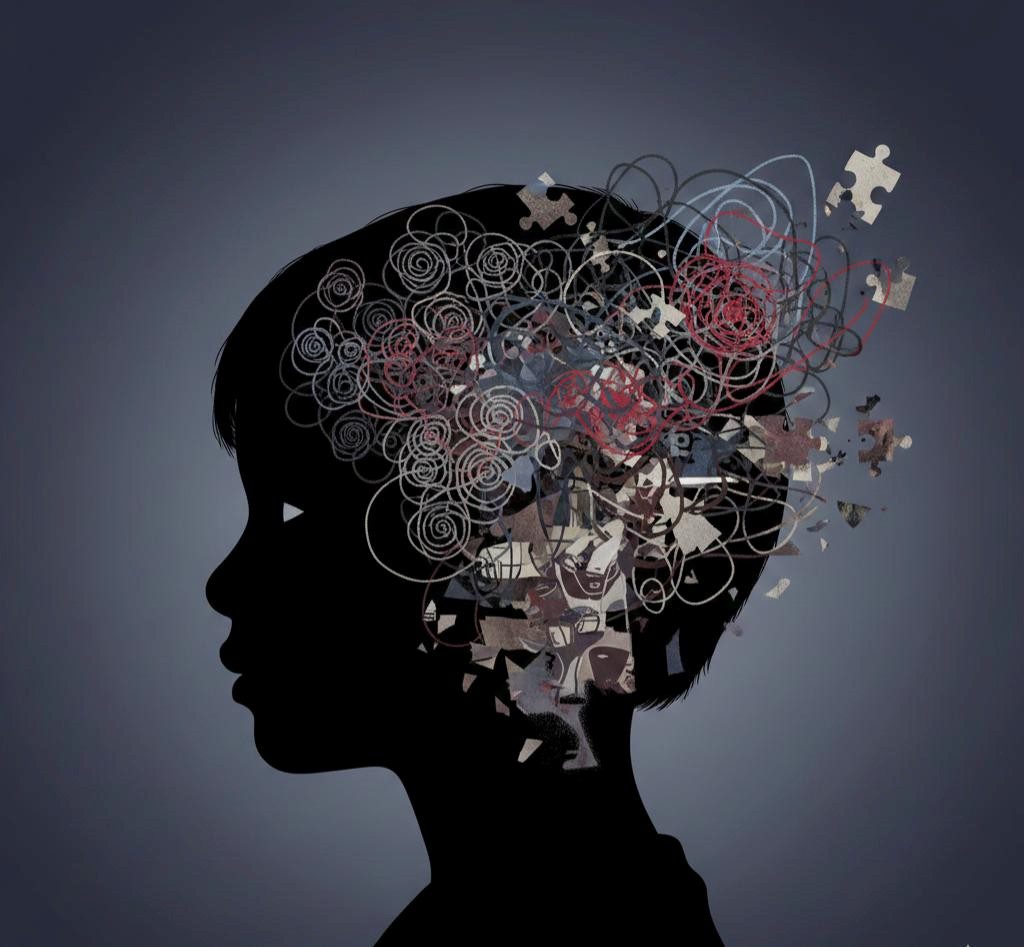
Childhood disorders almost never arrive dramatically. They slip quietly into daily routines. Anxiety shows up as stomach aches and perfectionism. Depression appears as constant tiredness, irritability, or withdrawal. OCD hides in repeated checking or rituals children feel ashamed to admit. ADHD emerges as restlessness or difficulty focusing, often mistaken for disobedience. Trauma settles into nightmares, sudden fearfulness, or emotional shutdowns after prolonged stress, criticism, or bullying.
These disorders rarely look the way adults expect. A child battling anxiety may smile through photographs. A child with depression may still attend school every day. A traumatized child may behave “normally” for months before breaking down.
And when adults misread these signs, children are often punished for their pain.
Why Children Don’t Speak
Children remain silent not because they have nothing to say, but because they have learned that adults may not understand. They fear being scolded or dismissed. They do not want to burden their parents. They lack emotional vocabulary. Many believe their struggles are “normal” or their fault.
A 14-year-old boy in Chennai explained it simply:
“If I tell adults I’m scared, they’ll say I’m overreacting.”
We raise children to hide their feelings — and then wonder why we never know what they’re going through.
The Price of Not Listening
Unseen childhood distress does not disappear. It grows, shapeshifts, and follows them into adolescence and adulthood. What begins as a trembling hand before a performance becomes fear of public speaking as an adult. What starts as academic pressure becomes chronic anxiety later. Emotional neglect becomes low self-worth, broken confidence, or unstable relationships.
Most adults battling anxiety today are carrying wounds that began when they were ten — wounds no one noticed.
What Childhood Needs Now
Childhood doesn’t need more medals, perfect handwriting, or flawless report cards. It needs emotional safety. It needs attentive adults who listen without judgement. It needs teachers who recognize red flags early. It needs homes where children can speak without fear. It needs conversations about feelings, not just marks. It needs counsellors in schools, mental-health checks as routine as eye tests, and less pressure disguised as discipline.
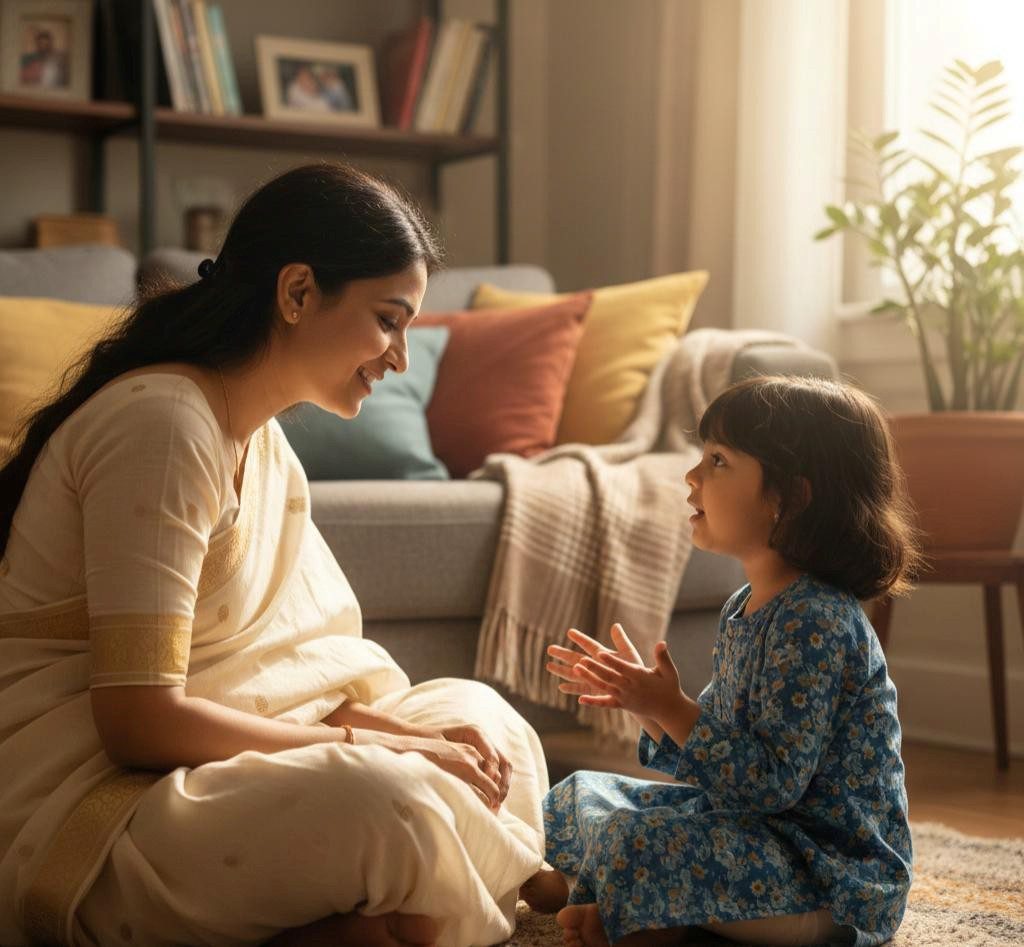
It begins with small shifts — asking, “What made today difficult?” instead of “Why are you behaving like this?” or “What are you feeling?” instead of “Stop crying.”
A Childhood That Feels Understood
Mental health does not suddenly appear in adulthood. It begins in childhood — but is usually recognized too late. If we hope for emotionally healthy adults, we must first protect emotionally vulnerable children.
Childhood deserves spaces where questions are welcomed, where fear is heard, where emotions are not dismissed as weakness.
Childhood Should Be Lived, Not Survived
Children are not asking for perfect lives. They are asking for gentleness. For patient explanations when they are overwhelmed. For reassurance when they cannot express themselves. For a safe shoulder to cry on. For an adult who understands that their worlds are delicate not because they are weak, but because they are still forming.
The real question is not whether children are strong enough to handle life.
It is whether adults are willing to understand the life children are silently struggling through.
Childhood is speaking — softly, consistently, desperately.
What matters now is whether we finally choose to listen.
Garima Kaushiki is a media researcher and writer with a focus on education, child rights, and mental health. She combines data-driven insights with human stories to highlight systemic gaps and advocate for meaningful change.